


PARMER CENTER WITHIN MEDIPOL UNIVERSITY HOSPITAL

The PARMER Center for Parkinson’s Disease and Movement Disorders at Medipol University Hospital is a specialized center for the diagnosis and treatment of Parkinson’s disease and other movement disorders. The center brings together experienced neurologists, neurosurgeons, and a multidisciplinary team of specialists who employ the most advanced therapeutic and surgical methods, including Deep Brain Stimulation (DBS). Thanks to cutting-edge technology and a personalized approach to each patient, PARMER delivers a high level of safety, precision, and quality of care.
Parkinson’s disease
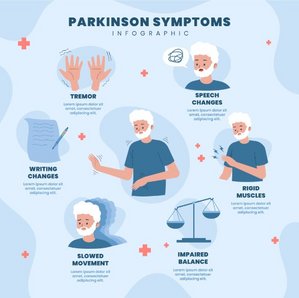
Parkinson’s disease is a chronic, progressive neurological disorder that affects the control of movement. It occurs due to the gradual loss of nerve cells in the part of the brain responsible for producing dopamine – a substance that enables proper coordination of movement.
Most Comon Symptoms
– Tremor (shaking of the hands, legs, or jaw at rest)
– Slowed movements (bradykinesia)
– Muscle stiffness
– Balance and walking problems
– Changes in speech and writing
In addition to motor symptoms, non-motor symptoms may also occur – such as sleep disturbances, depression, fatigue, and a reduced sense of smell.
Diagnosis and Treatment Options
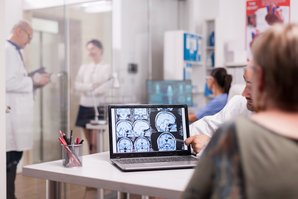
The diagnosis is made based on a neurologist’s clinical examination, a detailed medical history, and additional diagnostic procedures. Early diagnosis is crucial for slowing disease progression and improving quality of life. Although Parkinson’s disease cannot currently be completely cured, modern medicine offers effective methods for symptom management:
– Medication therapy
– Physiotherapy and rehabilitation
– Deep brain stimulation (DBS) for selected patients
– Multidisciplinary approach (neurologist, physiatrist, psychologist)
Timely and properly managed treatment can significantly improve daily functioning and help maintain the patient’s independence. We collaborate with the specialized PARMER Center at Medipol University Hospital, which applies the most advanced therapeutic protocols and an individualized approach for each patient. Our team provides full organization of the treatment and support throughout the entire process.
Parkinson’s Disease Treatment at Medipol Clinic
Regional Reference Center for Movement Disorders
At the Medipol University Center for Parkinson’s Disease and Movement Disorders, Parkinson’s disease is approached in a comprehensive and personalized manner within the PARMER Center — a specialized unit dedicated to the diagnosis, treatment, and follow-up of patients with Parkinson’s disease and related neurological disorders.
- Multidisciplinary Diagnostics
The treatment process begins with a detailed clinical examination by a neurologist and movement disorder specialists, using advanced diagnostic methods to accurately determine the patient’s condition and disease severity.
- Personalized Medical Therapy
The first line of treatment for Parkinson’s disease generally involves optimized medication therapy, tailored to the individual symptoms of the patient.
- Advanced Surgical and Non-Surgical Methods
For patients whose symptoms are not adequately controlled with medication, the center applies advanced techniques such as:
– Deep Brain Stimulation (DBS) – a surgical procedure that implants electrodes in specific areas of the brain to significantly reduce symptoms.
– MRI-guided Focused Ultrasound (MRgFUS) – a non-surgical method for precisely reducing tremors using ultrasound waves under MRI guidance.
- Rehabilitation and Support
In addition to medical and surgical treatment, patients receive physiotherapy, balance and speech rehabilitation, psychological support, and educational programs for patients and their families.
- Multidisciplinary Team of Experts
Treatment is led by a team of experienced neurologists, neurosurgeons, physiotherapists, and other specialists, who collaboratively create a care plan based on the latest medical standards and the individual needs of each patient.
How Parkinson’s Disease Treatment Is Approached at Medipol PARMER Center

At the Medipol Center for Movement Disorders (PARMER), patients are approached through a comprehensive, modern, and individualized treatment program that combines advanced medical therapies, surgical methods, and rehabilitation. PARMER is a specialized unit dedicated to Parkinson’s disease and other neurological disorders, staffed by experienced neurologists and neurosurgeons and equipped with the latest diagnostic technology.
Personalized Treatment Plan
The process begins with a detailed evaluation of symptoms and a clinical examination, after which the expert team creates a plan that may include medication therapy, physical rehabilitation, and other supports tailored to each patient.
Advanced Surgical Methods
For patients whose symptoms are not adequately managed with medication, PARMER employs Deep Brain Stimulation (DBS) — the implantation of electrodes into specific areas of the brain, which can significantly reduce tremor, stiffness, and other symptoms. This procedure has shown successful results for many patients worldwide and is also applied at Medipol.
Innovative Non-Surgical Therapies
The center also offers innovative non-surgical techniques, such as MRI-guided Focused Ultrasound (MRgFUS), which allows precise targeting of symptoms without incisions and can significantly improve tremor in selected patients.
Support and Rehabilitation
In addition to medical and surgical treatment, patients receive balance and gait rehabilitation, physiotherapy, speech therapy, and psychological support — all aimed at improving daily functioning and quality of life.
Results and Patient Experiences
The center has become one of the leading institutions in the region — Medipol specialists have successfully performed thousands of DBS interventions, enabling many patients to achieve significant symptom improvement and return to everyday activities.
The center’s website also features numerous patient stories, showing how treatment at Medipol has enhanced quality of life and motor stability.
Deep Brain Stimulation (DBS) – A Modern Approach to Parkinson’s Disease Treatment
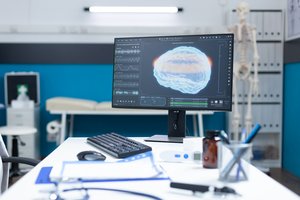
Deep Brain Stimulation (DBS) is an advanced surgical method used to control symptoms of Parkinson’s disease and other movement disorders in patients whose medications no longer provide sufficient relief. The procedure involves implanting thin electrodes into specific areas of the brain, which stimulate neural signals and help reduce tremor, stiffness, and slowed movements.
DBS Application at Medipol PARMER Center
At the Medipol University Center for Parkinson’s Disease and Movement Disorders (PARMER), DBS is applied as part of a comprehensive, multidisciplinary approach.
- Precise diagnostics and planning: Before surgery, a neurologist and neurosurgeon thoroughly analyze the patient’s condition, symptoms, and individual needs to create an optimal treatment plan.
- Advanced surgical technology: The procedure is performed using state-of-the-art navigation systems and intraoperative monitoring, ensuring maximum precision and safety.
- Personalized stimulation: After implantation, the device is adjusted according to the patient’s symptoms to achieve optimal movement control.
- Multidisciplinary postoperative support: A team of physiotherapists, speech therapists, and neurologists monitors the patient during recovery and rehabilitation to improve daily functionality and quality of life.
Benefits of DBS
- Reduces tremor, stiffness, and slowed movements
- Improves stability and balance
- Allows for reduced medication doses and associated side effects
- Helps patients regain independence in daily life
Medipol PARMER is one of the leading centers in the region and worldwide for DBS, with thousands of successful interventions and extensive experience working with patients at all stages of Parkinson’s disease.
DBS - Deep Brain Stimulation

DBS, or Deep Brain Stimulation, is an advanced neurosurgical method that helps control symptoms of movement disorders. During the treatment, small electrodes are implanted into the brain, delivering precise electrical impulses to specific areas, regulating abnormal electrical activity, and alleviating symptoms.
This method, also known as neuromodulation, allows significant improvement in quality of life and enables patients to “enjoy daily activities again”.
DBS is applied for
– Parkinson’s disease – tremor, stiffness, and slowed movements
– Tremor – shaking of the hands, head, or vocal cords
– Dystonia – involuntary muscle cramps
Experience and the TeamExpertise
At Medipol, DBS treatments are led by Prof. Dr. Ali Zirh and his team, with over 35 years of clinical experience. To date, more than 1,900 surgeries for movement disorders and 1,400 DBS implantations have been performed, with excellent results in symptom control.
Surgical Procedure
The patient is awake during electrode implantation so that responses to electrical impulses can be precisely monitored. During the procedure, patients often talk about their hobbies, grandchildren, football, sing, or joke — helping the team to optimally place the electrodes. The operation typically lasts 3–4 hours.
Postoperative Period and Life with a DBS Device
After 1–2 days of hospitalization, the patient is discharged home, while the DBS device is adjusted and programmed in the outpatient clinic. Within approximately 3 weeks, patients can return to their usual activities.
The implanted DBS device does not restrict daily life — patients can engage in sports, ride a bicycle, play tennis, and swim, as long as the activities do not carry a risk of head trauma.
Medipol Healthcare Group – JCI Accredited Institution

Medipol Healthcare Group in Turkey holds the prestigious JCI (Joint Commission International) accreditation, confirming that the hospital meets the highest international standards in healthcare quality and patient safety.
The JCI certificate, awarded by Joint Commission International, represents global recognition of excellence in medical care, the expertise of the medical team, infection control, and advanced patient safety protocols.
For patients, this is extremely important, as it ensures they are receiving treatment in an institution that operates according to world-class standards, with maximum safety, transparency, and professionalism at every stage of the medical process.
What Does the Process Look Like After You Contact Us

1. Contact and Personalized Consultation
The patient contacts us and submits their medical documentation.
Our expert team carefully reviews the information, assesses the patient’s needs, creates an individualized treatment plan, and prepares the next steps accordingly.
2. Translation and Preparation of Medical Documentation
We professionally translate and prepare the complete medical documentation for the hospital and leading specialists to ensure a fast and efficient process.
3. Travel and Accommodation
We assist with organizing accommodation and VIP airport transfers to the hospital or hotel.
You can enjoy a comfortable and safe stay throughout your visit.
4. Medical Treatment and On-Site Assistance
Throughout the entire process, a dedicated interpreter and coordinators are by your side, providing support, security, and maximum comfort.
5. Continuous Care After Treatment
Our commitment continues even after your procedure — we monitor your recovery and remain available at all times.
Following the completion of treatment, we stay in contact to provide ongoing support and guidance, ensuring your recovery is complete, safe, and successful.
DRBOOKING provides a premium medical experience for you — discreet, secure, and fully tailored to your individual needs.

BOOK YOUR CONSULTATIONS
If you would like to schedule a procedure, please contact us using the form on our website REQUEST FORM, by email at office@drbooking.rs, or by phone at +381 64 13 83 272 (also available on Viber and WhatsApp). You can also have a free consultation in advance with the doctor performing the procedure, to learn all the necessary details you may need. Scheduling any type of service is completely FREE! Welcome!